 Tech-Jutsu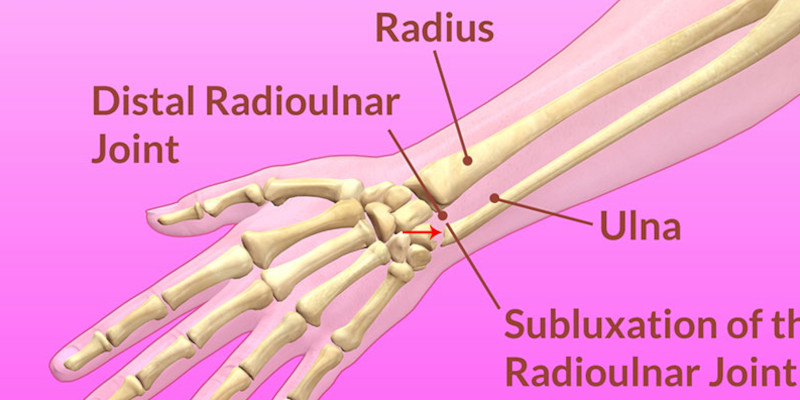
Sounds nasty doesn’t it? Sports injuries are never fun, and it’s important to get a correct diagnosis and proper treatment as soon as possible so that you can get back into training as quickly as possible.
But before we go into this, i’ve got one huge disclaimer to print here…
I am not a doctor. If you suspect you have an injury, go to the doctors
Today we’re going to look at an injury that can occur during Kote Gaeshi training. Have you ever had one of those days where you thought “Ouch, I really felt that Kote Gaeshi today”! Sore wrist for a few weeks and feelings of instability? Best to get it checked out.
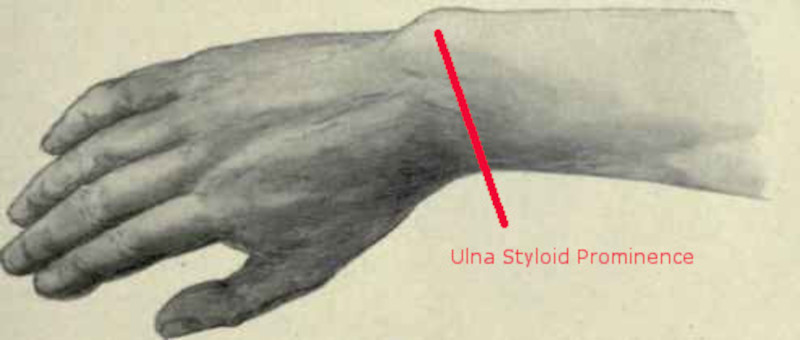
As you can see in the image, the Ulna is the long bone on the outside of the forearm in line with the little finger. The Radius is the bone on the other side in line with the thumb. The place where they meet at the wrist is called the distal radioulnar joint. When performing Kote Gaeshi, we supinate the wrist outwards (on Ukes wrist that is). Oversupination of the wrist can result in isolated dislocation. Because we do not fall on our wrists and break the bones during this technique, it can be difficult to diagnose. However, it is usually discernable by looking at the Ulna Styloid Prominence (pictured below). If this is obviously raised compared to your other wrist, then it could be an indication that you have a DRUJ subluxation. Another symptom is an inability to pronate the joint (think: opposite direction to Kote Gaeshi).
Treatment is mechanical manipulation under general anaesthetic, by overpronating the wrist. Ouch! If you’ve not got that much pain or discomfort, you may be inclined to put off a visit to the doctor’s, but trust me; it’s better to get it looked at sooner rather than later.
Remember: take it easy with your training partner. We’re all prone to joint injuries in our ‘sport’, and we’re all in this together, because we can’t train without a partner, so we need to look after each other.